Hydrogen peroxide is a widely used and inexpensive cleaning agent in the homes today. It has gained popularity as an alternative to harsh chemical cleaners due to its high disinfection ability and environmentally friendly nature. Whether you want to sanitise kitchen surfaces, remove stains, or disinfect bathrooms, hydrogen peroxide can be a simple yet powerful solution.
This guide will discuss the nature of hydrogen peroxide, its mechanism of action, and the safest and most effective methods of using it to clean in your home.
What Is Hydrogen Peroxide for Cleaning
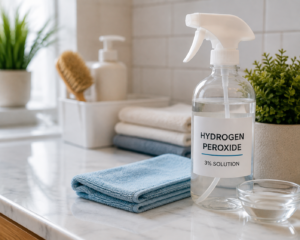
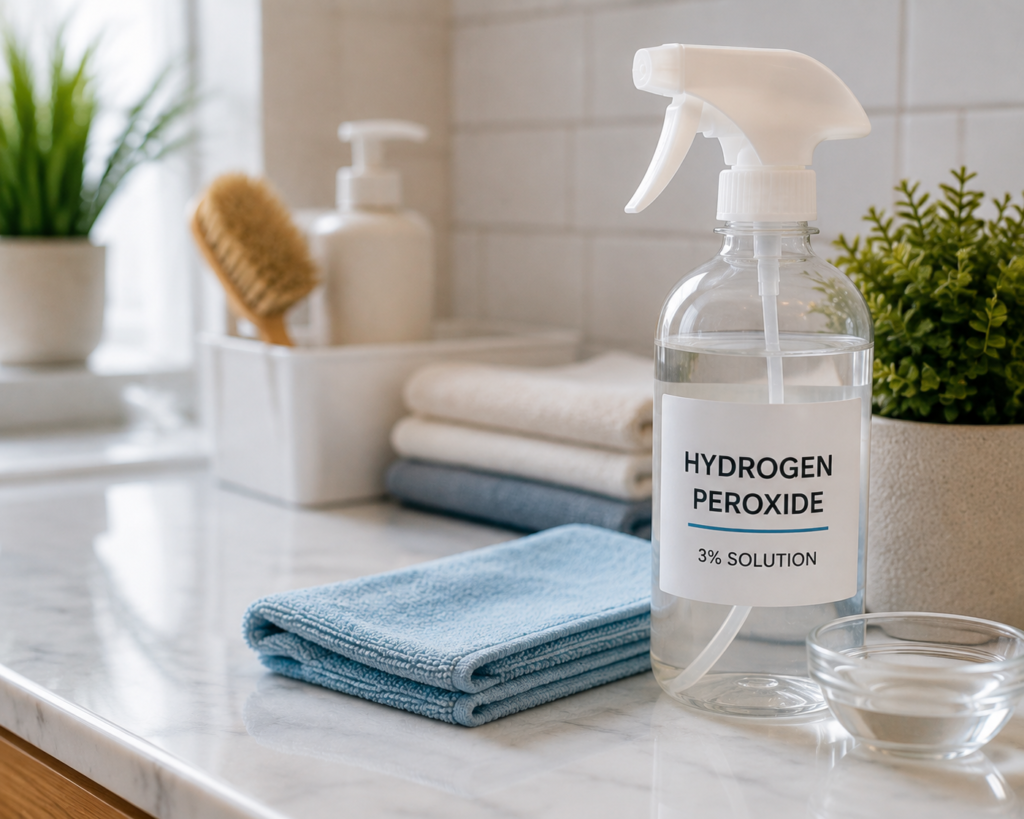
Hydrogen peroxide is a chemical compound made up of hydrogen and oxygen (H₂O₂). It is a clear liquid resembling water with high oxidising properties. In the case of household cleaning, it is typically available in a diluted form, typically 3 percent, which is safe to use in general.
Hydrogen peroxide is a disinfectant, stain remover, and deodoriser when applied to clean. It is also popular in Canadian households as an economically friendly and less harmful substitute of bleach-containing products. Since it decomposes into water and oxygen, it does not leave any residue that is harmful.
How Hydrogen Peroxide Works as a Disinfectant
Hydrogen peroxide has the cleaning effect of its oxidation process. It releases oxygen when it comes in contact with bacteria, viruses, or organic material. This oxygen kills cell walls of microorganisms effectively killing them.
Unlike certain chemical cleaners that merely conceal odours, hydrogen peroxide gets rid of the cause of the odour by destroying bacteria and mould. This is particularly useful in cleaning high-contact surfaces like countertops, door handles, and bathroom fixtures.
Its bubbling effect, which is usually observed when applied to a stain or wound, is an indication that it is busy working to remove dirt and kill germs.
Common Household Uses of Hydrogen Peroxide
There are numerous household uses of hydrogen peroxide. It is also used in cleaning dishes in the kitchen, where it is popular in disinfecting cutting boards, sinks, and countertops. It can also be used to clean food stains and deodorise refrigerators.
Hydrogen peroxide can be used in bathrooms to remove soap scum, eliminate mould spores, and clean toilet bowls. It is also popularly applied to whiten grout between tiles which gives it a clean and fresh look.
Outside kitchens and bathrooms, it can be applied to clean fabrics, whiten laundry and clean mirrors and glass surfaces without streaking.
How to Use Hydrogen Peroxide Safely for Cleaning
When using hydrogen peroxide at home, safety is a concern. Unless otherwise specified, always use the standard 3% solution to clean the house. It may be sprayed or sponged on surfaces with a spray bottle or cloth.
To disinfect the surface in general, spray hydrogen peroxide on the surface and allow it to sit at least 5-10 minutes and then wipe it off. This allows enough time for it to kill germs effectively.
In applying it to fabrics or stains, it is always advisable to first test a small hidden area to make sure that it does not discolour. Do not have too much contact with the skin and never leave it in a light bottle in the sun as this can destroy its effectiveness.
Gloves are also advisable in case you are cleaning over a long period of time to avoid skin damage.
Surfaces Hydrogen Peroxide Can Clean Effectively
Hydrogen peroxide works well on a wide variety of non-porous surfaces. It is safe in the kitchen with stainless steel, sealed countertops, glass, and plastic cutting boards. It can be particularly helpful in disinfecting places where raw food is cooked.
It can be applied in the bathroom on sinks, taps, tiles, shower doors and toilets. It assists in eliminating mildew and soap without any chemical residue.
It may also be applied to laundry stains like blood, sweat or wine, and is commonly put in small quantities in washing machines to give it additional cleaning power. But it must never be applied to coloured materials, as it will fade away.
What Not to Mix or Avoid When Using Hydrogen Peroxide
Even though hydrogen peroxide is safe when used properly, it must not be combined with some other cleaning agents. It is important not to confuse it with vinegar in the same container or on the same surface at the same time. They can form peracetic acid, which is irritating and unsafe, when mixed.
It must not be combined with bleach either, which may lead to the development of dangerous chemical reactions. Never combine hydrogen peroxide with other cleaners and always rinse surfaces when changing cleaners.
Do not apply it to natural stone surfaces such as marble or granite unless tested, as it can be damaging in the long run. Also, do not put it in the eyes or swallow it because it is not to be ingested but to be used externally only.
Benefits of Hydrogen Peroxide Compared to Other Cleaners
The primary benefit of hydrogen peroxide is that it is environmentally friendly. It decomposes into oxygen and water and thus does not leave behind toxic residues that could affect the environment or indoor air quality.
It is also affordable to most households as it is cheaper than most commercial disinfectants. It is versatile; that is, you can clean many things with the same product, eliminating the necessity to have various cleaners.
Compared to bleach, hydrogen peroxide has a less intense smell and is not as rough on surfaces when applied properly. It can also be used to clean a wide variety of bacteria, viruses, and mould, and is a dependable disinfectant in daily cleaning.
Tips for Storing and Maximising Effectiveness
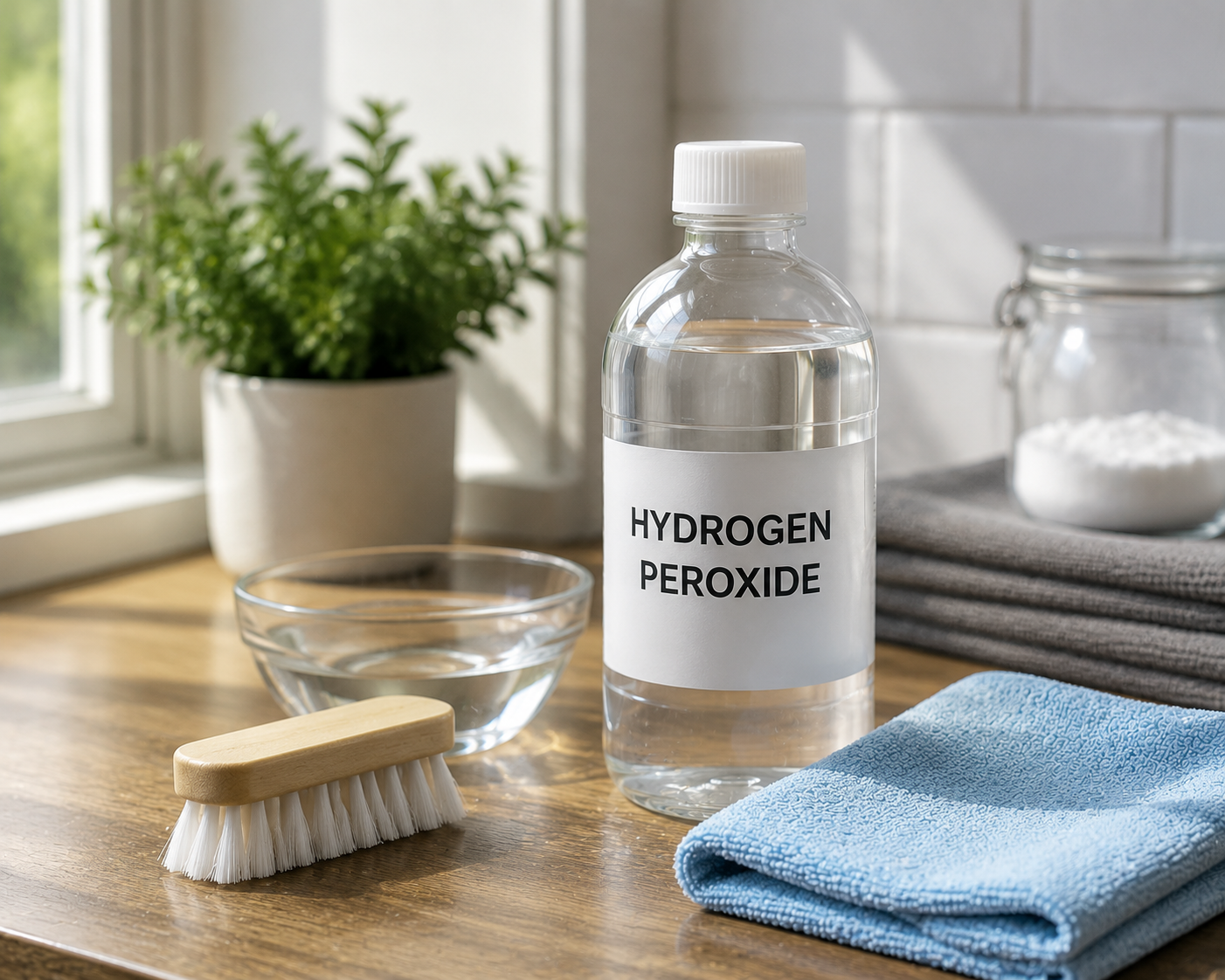
Hydrogen peroxide must be stored to ensure its strength. It must be kept in a cool dark place preferably in the original opaque bottle. Light and heat can make it break down into water and decrease its cleaning power.
To maximize its effects, it is better not to transfer it to transparent containers unless they are kept in the shade. The cap should always be closed after use to avoid exposure to air.
When cleaning with it, it is best applied to a dry surface. Letting it dry a couple of minutes prior to wiping will guarantee deeper disinfection. In case of stubborn stains or mould, it might be required to apply it repeatedly.
When properly kept, hydrogen peroxide can last several months, so it is a good staple in your cleaning repertoire.